Merbau Wooden windows – Janka 7620 N, Durability Class 1‑2
Merbau (Intsia bijuga / palembanica) from South‑East Asia delivers 815 kg/m³ density, 7,620 N Janka hardness, and Class 1‑2 natural durability – one of the densest and hardest tropical species in our range. Its high density and hardness make it a mechanically demanding choice, with a thermal penalty: λ ~0.19 W/m·K. Not in stock; made to order with extended lead times.
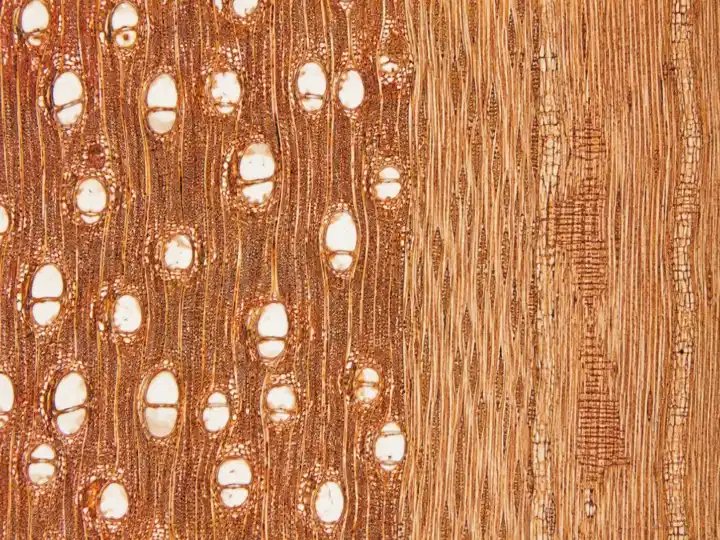
Density 815 kg/m³
Heaviest in range
Janka 7,620 N
4.5× harder than spruce
Durability Class 1‑2
Maximum rot resistance
One of the Densest and Hardest Tropical Species in our Range
At 815 kg/m³ and 7,620 N Janka, merbau surpasses every other species in our collection on density and hardness. Class 1-2 natural durability places it among the most resistant woods available for exterior joinery. Its signature orange-brown colour, interlocked grain and exceptional rigidity (MOE 15.93 GPa) make it the tropical choice where no compromise on mechanical performance is acceptable. A thermal conductivity of ~0.19 W/m·K demands careful PHPP consideration.
Technical Data – Merbau
|
Property |
Value |
|
Density |
815 kg/m³ |
|
Janka Hardness |
7,620 N |
|
Bending Strength |
145.2 MPa |
|
Modulus of Elasticity |
15.93 GPa |
|
Compressive Strength |
73.4 MPa |
|
Radial Shrinkage |
2.9 % |
|
Tangential Shrinkage |
4.8 % |
|
Volumetric Shrinkage |
8.2 % |
|
Thermal Conductivity (λ) |
~0.19 W/m·K |
|
Natural Durability Class |
1‑2 (very durable) |
What these figures mean for joinery: A Merbau sash weighs nearly double a spruce sash of the same size – hardware must be sized accordingly. MOE 15.93 GPa provides the highest profile rigidity in our range. Radial shrinkage of 2.9% is exceptionally low for such a heavy wood, giving Merbau excellent dimensional stability. The thermal conductivity of ~0.19 W/m·K is among the highest in the compared range and must be accounted for in PHPP calculations.
Performance in Windows
Merbau provides unmatched hardness and durability, albeit with a thermal conductivity among the highest in our range.
1
Thermal
λ ~0.19 W/m·K – among the highest values in the compared range. For nZEB projects with Uw ≤1.0 W/m²K, Merbau on IV92 or D92 can reach the limit, but softwoods are thermally more efficient. Exact Uf/Uw values are calculated on request.
2
Hardness
7,620 N Janka – 4.5× harder than spruce, 1.5× harder than oak. Thresholds, sills, and high‑traffic entrance doors in Merbau remain unmarked even after decades of daily use.
3
Durability
Class 1-2 natural durability – extremely resistant to rot, moderately resistant to termites and good against marine borers. Untreated merbau lasts decades outdoors. In the Romanian climate, with correctly applied industrial finishing, long-term performance depends on the finish and maintenance.
Long‑term Performance
Merbau’s natural durability and outstanding dimensional stability deliver decades of reliable service, with one specific maintenance consideration.
Natural Durability
Dimensional Stability
Radial shrinkage 2.9% – among the lowest in the range for such a dense wood. Tangential 4.8% is better than spruce or oak. Merbau profiles stay straight and tight even with seasonal humidity swings.
Tannin Note
Merbau releases red‑brown tannin when wet, which can stain concrete, stone, or ceramics. Proper drainage details and joint sealing during installation minimise this, but clients must be informed.
Processing note: merbau’s extreme hardness and interlocked grain accelerate CNC tool wear. This higher machining cost is reflected in the final price.
Advantages of Merbau
Advantages
Disadvantages
Comparison with Other Essences
How Merbau measures against the most relevant alternatives in our tropical and hardwood range.
Merbau vs Oak
Merbau wins on hardness (7,620 vs 4,980 N), durability (Class 1‑2 vs 2), and termite resistance. Oak wins on thermal (λ 0.18 vs 0.19 – small margin), cost, and in‑stock availability. For extreme‑traffic doors, Merbau justifies the premium.
Merbau vs Afzelia
Afzelia (835 kg/m³, 8,230 N) is slightly denser and harder, with pure Class 1 durability and acid resistance. Merbau (Class 1‑2) has a warmer orange‑brown appearance. Both are special‑order tropical species; availability often drives the decision.
Merbau vs Accoya
Accoya (λ ~0.11) is thermally far superior. Merbau wins on raw hardness (7,620 vs 4,100 N). For nZEB projects with difficult exposure, Accoya is the thermally smart choice; for maximum hardness on traffic surfaces, Merbau leads.
Appearance and Colour
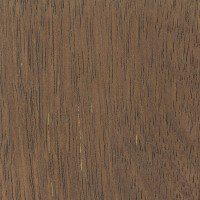
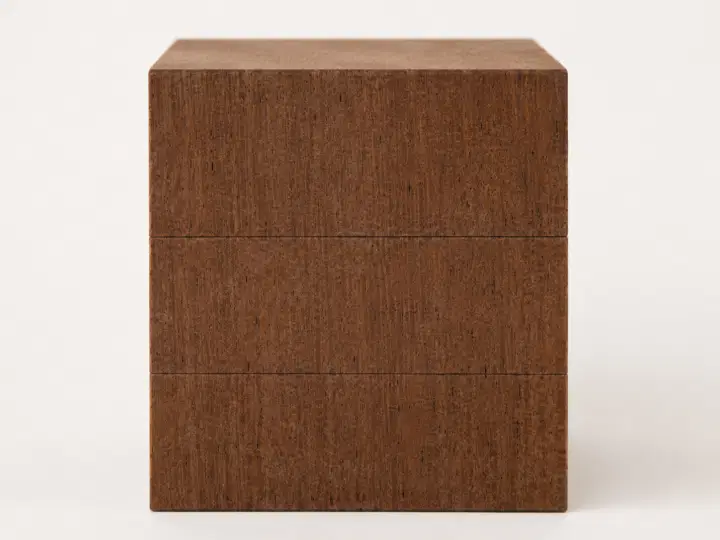
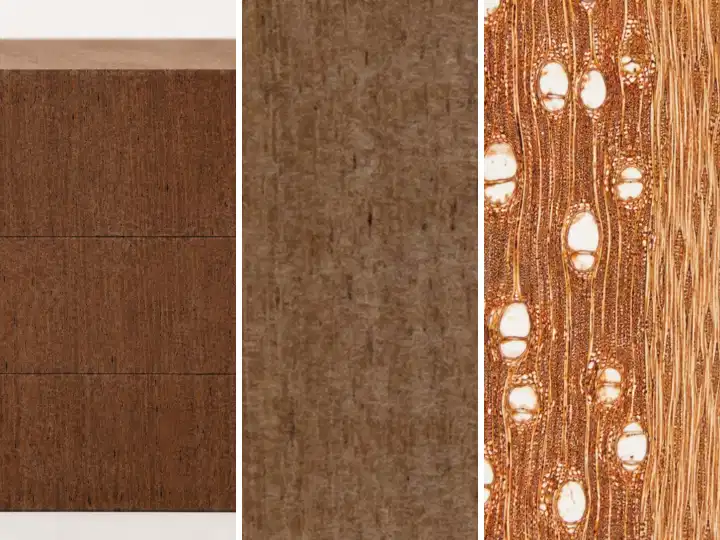
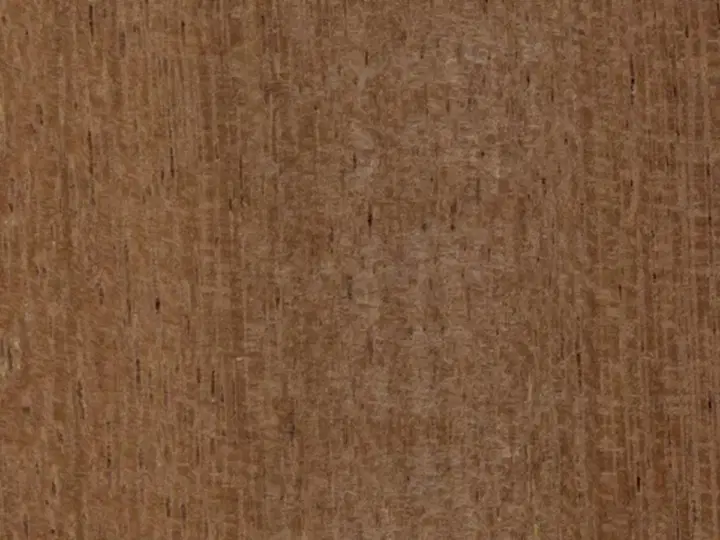
Freshly cut Merbau displays a vivid orange‑brown hue that matures to a deep reddish‑brown. Yellow mineral flecks are a natural signature of the species. Under translucent stains the colour is warm, tropical, and highly varied between pieces. With opaque RAL paint the appearance is uniform with any other wood.
Availability & SM WOOD Execution
Key Details
Price depends on profile, dimensions, and hardware – request a free quotation. For B2B projects we supply complete PHPP data (Uf, Uw, Ug, g‑value, psi‑spacer) upon request.