Nordic Pine Wooden windows – Natural Moisture Resistance
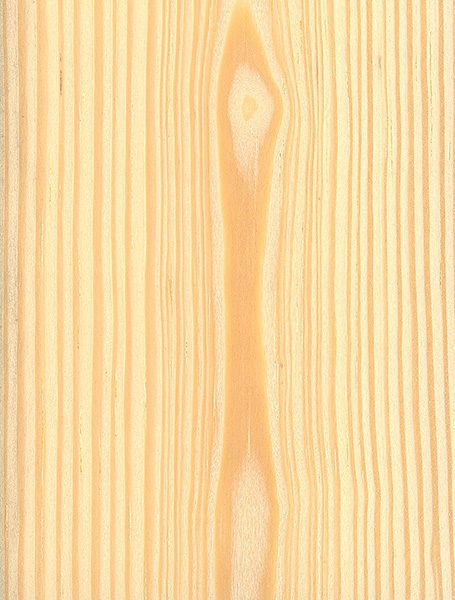
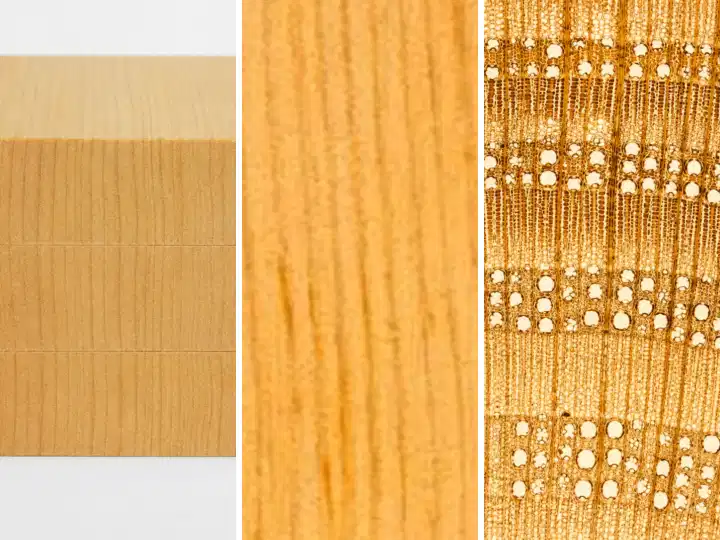
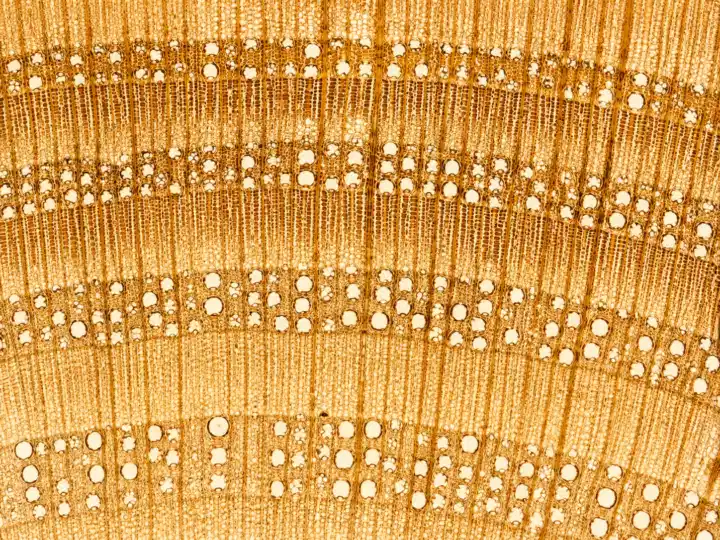
Nordic Scots pine (Pinus sylvestris) from Belarus and Scandinavia grows slowly in cold climates, producing narrow annual rings, a compact fibre, and a high natural resin content. At SM WOOD, it is a primary production species – permanently in stock with the same lead time and cost as spruce. It is denser, more moisture‑resistant, and has a warmer grain under translucent stains.
Density 550 kg/m³
Denser than spruce
Janka 2,420 N
More impact‑resistant
λ ~0.13 W/m·K
Suitable for energy-efficient designs
Performance in Windows
Nordic pine combines reliable nZEB thermal performance with better moisture resistance than standard spruce.
1
Thermal
λ ~0.13 W/m·K – the same as meranti, and suitable for energy-efficient designs. The Uf-value is marginally higher than spruce (λ 0.11); the exact final Uw difference is calculated per project for the specific configuration.
2
Moisture Resistance
The high natural resin content saturates the fibres and acts as an intrinsic water barrier. Without a finish, Nordic pine resists moisture longer than spruce. With a 3‑4 layer Remmers factory finish, the difference is smaller but still meaningful over decades.
3
Finish
Nordic pine takes RAL/NCS opaque paints and translucent stains equally well. Under a stain, the grain is visibly warmer and more pronounced than spruce – distinct pale sapwood and reddish heartwood create a natural contrast without the cost of tropical species.
Long‑term Performance
With proper finishing, Nordic pine delivers decades of reliable service, and its resin content provides a welcome safety margin.
Natural Durability
Class 3‑4 – moderate. Untreated, Nordic pine degrades outdoors within years, though it lasts longer than spruce (5‑10 years). The high resin content extends this window, but an industrial finish remains mandatory.
Resin Barrier
Natural resins impregnate the fibre, creating an intrinsic moisture barrier. With a Remmers factory finish, the resin works in tandem with the coating – a proven advantage over low‑resin softwoods.
Maintenance
10‑year inspection with light cleaning and re‑coating. The resin content and a maintained finish carry nordic pine well past its untreated durability. The resin content provides a higher tolerance for delayed maintenance than spruce.
Grading note: Only Class I joinery‑grade Nordic pine is used – free of unsealed resin pockets and large knots. The wood is not the same as construction‑grade pine found in general commerce.
Advantages of Nordic Pine
Advantages
Disadvantages
Comparison with Other Essences
Where Nordic pine stands among our core softwood and hardwood options.
Nordic Pine vs Spruce
At identical cost and lead time, spruce has the thermal advantage (λ 0.11 vs 0.13). Nordic pine wins on moisture resistance and grain appearance. For opaque RAL finishes the choice is purely technical: spruce for minimum Uf, Nordic pine if moisture resistance matters.
Nordic Pine vs Meranti
Identical λ (0.13). Meranti is lighter and more dimensionally stable. Nordic pine costs less. The choice: Nordic pine for opaque or budget‑conscious projects, meranti for translucent tropical aesthetics or when maximum stability is required.
Nordic Pine vs Oak
Nordic pine is thermally superior (λ 0.13 vs 0.18). Oak wins on hardness, durability, and grain presence. For windows, Nordic pine is the better thermal and economic choice; for statement entrance doors, oak remains the benchmark.
Appearance and Colour
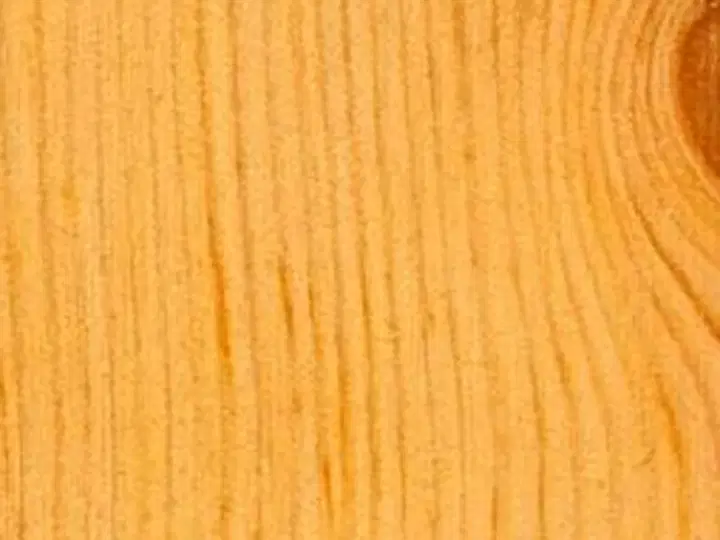
Heartwood is light reddish, sapwood pale yellow to almost white. The contrast between the two is naturally more pronounced than in spruce. Grain is generally straight with a slight tendency to twist. Under translucent stains, Nordic pine shows a warm, genuine wood character that is visibly richer than spruce but more understated than meranti or oak. Under opaque RAL paint, it is indistinguishable from any other species.
Availability & SM WOOD Execution
Key Details
Price depends on the series, dimensions, and finish – request a free quotation. For B2B projects we supply complete PHPP data upon request.