
Sealing and Protection for Wooden Windows — Sill, Impregnating Agent, and UV Paint
Sealing is a small detail on a wooden window, but one that is crucial for the longevity of the woodwork. Laminated wooden windows can last 50, 80 or even 100 years, but only if they are properly protected against water. At SM Wood Prodcom we have manufactured wooden windows in Florești, Cluj, since 1997, and we have seen all too often what happens when water protection is neglected. T
hat is why we treat this component with the same seriousness as the wood, the glazing or the hardware. It is not an optional detail; it is part of the product design.
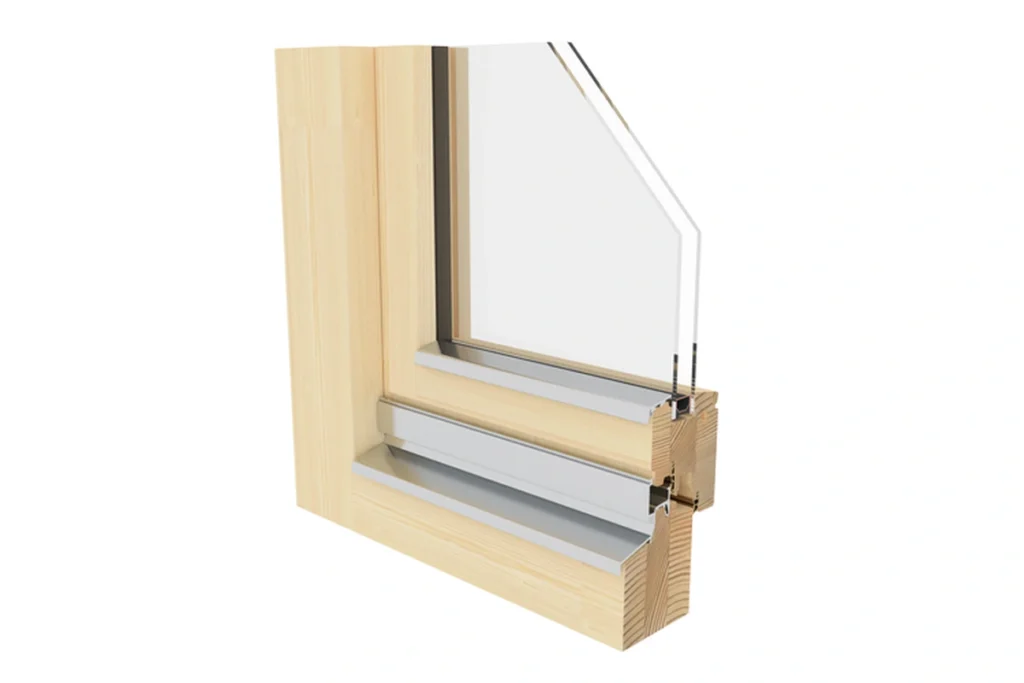
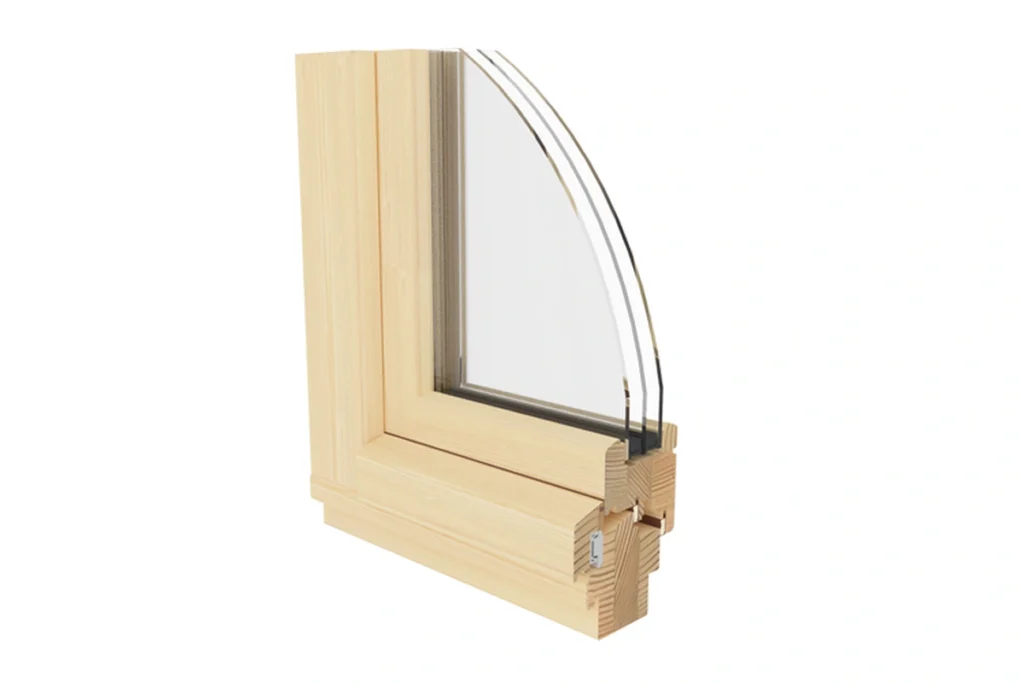
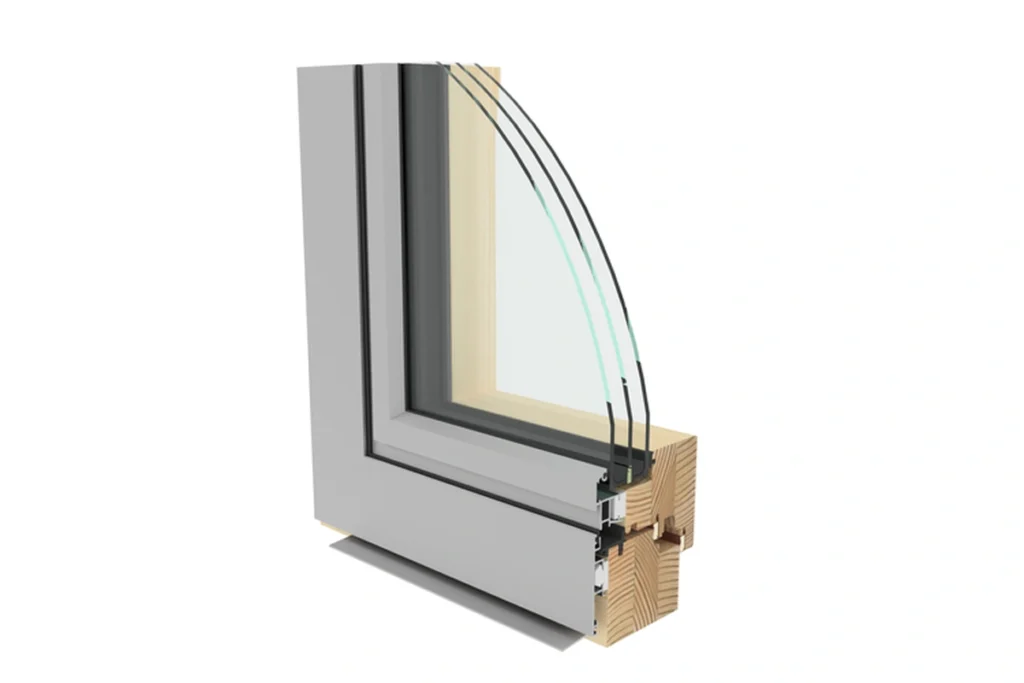
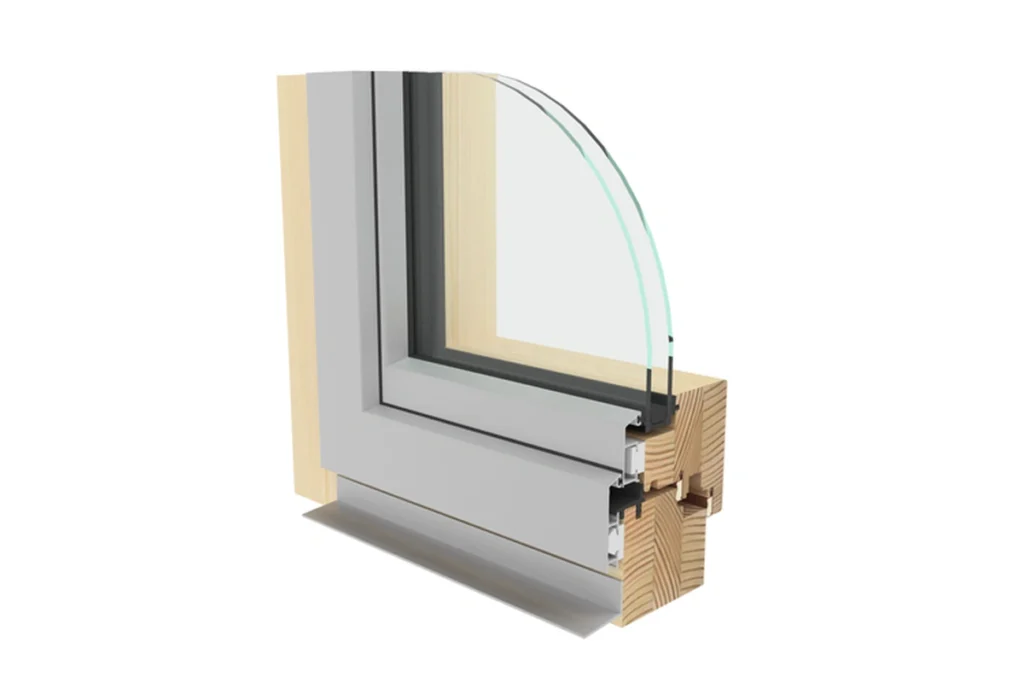
What a drip rail is and why it is critical
A drip rail for wooden windows is a small element, yet decisive for the longevity of your joinery. Engineered wooden windows can last 50, 80, or even 100 years - but only if they are correctly protected against water. At SM Wood Prodcom, we have been manufacturing wooden windows in Floresti, Cluj, since 1997, and we have seen all too often what happens when water protection is ignored.
This is why we treat this component with the same seriousness as the timber, the glazing, or the hardware. It is not an optional detail - it is part of the product design.
What a drip rail is and why it is critical
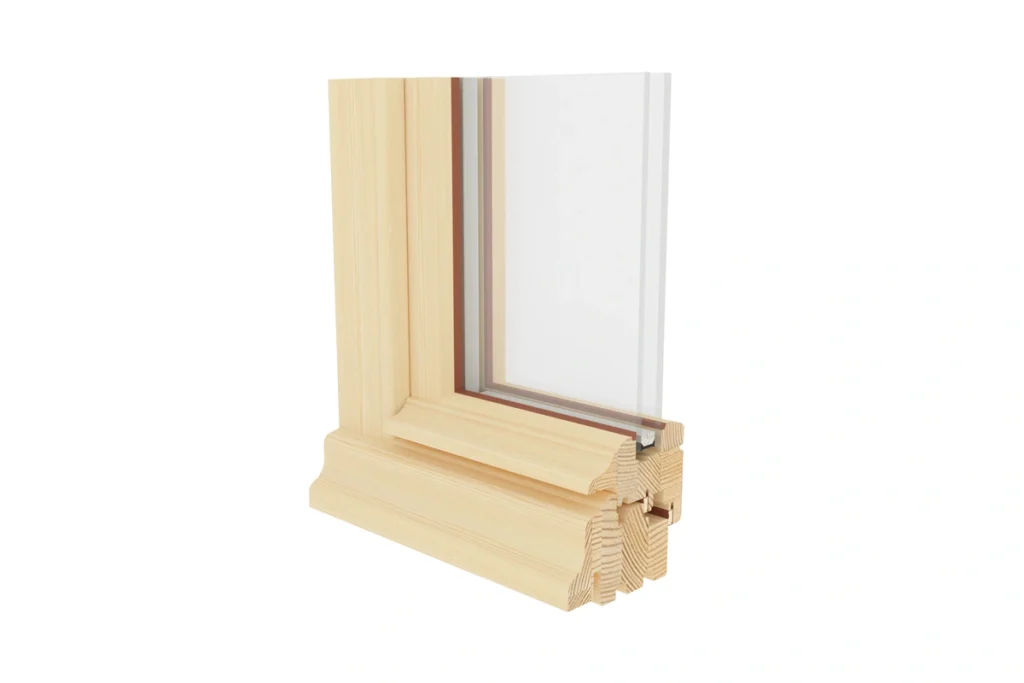
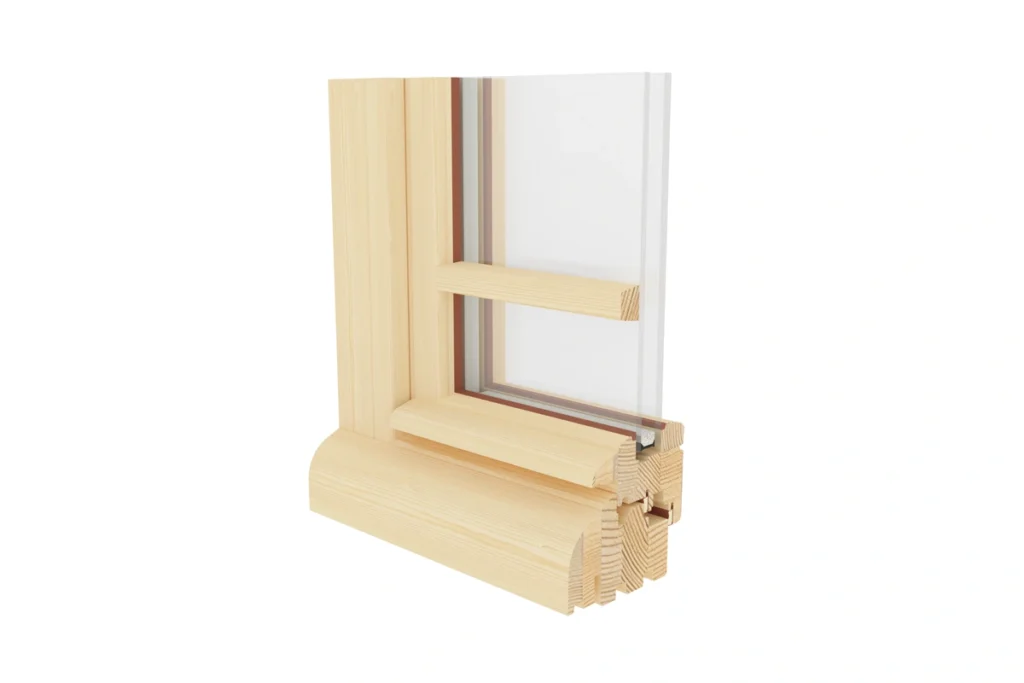
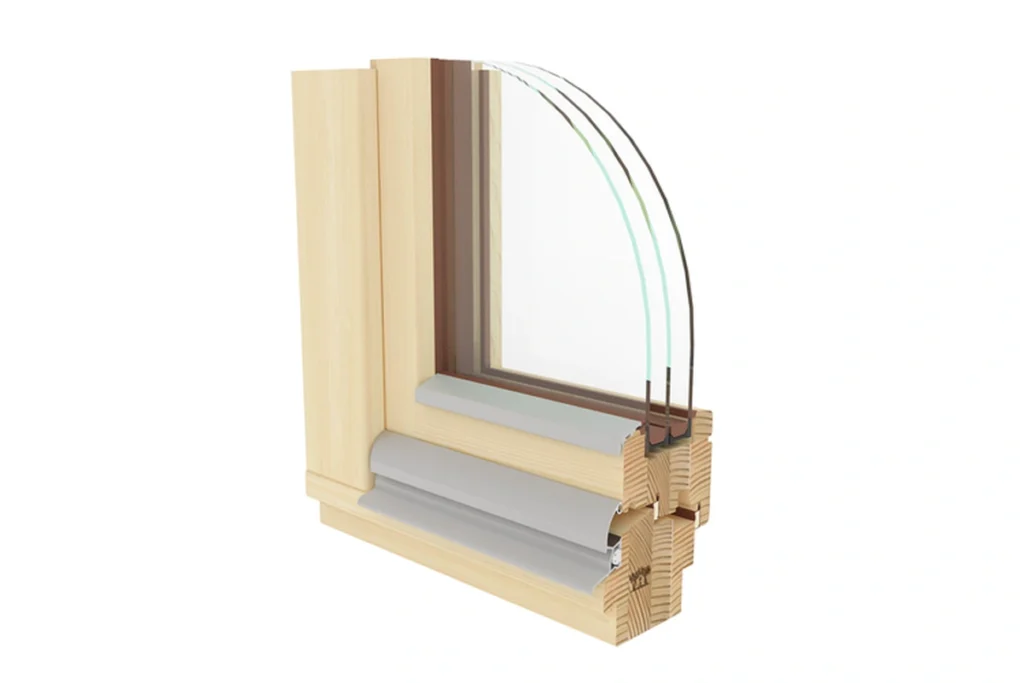
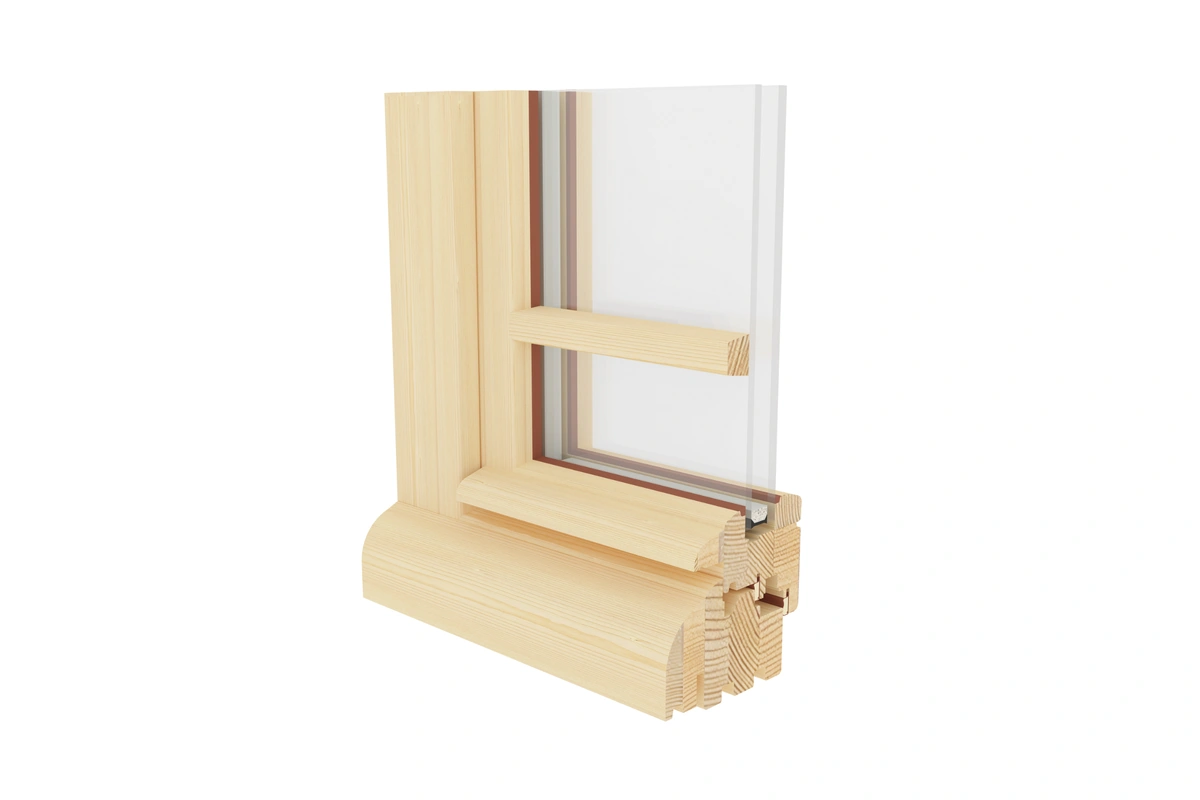
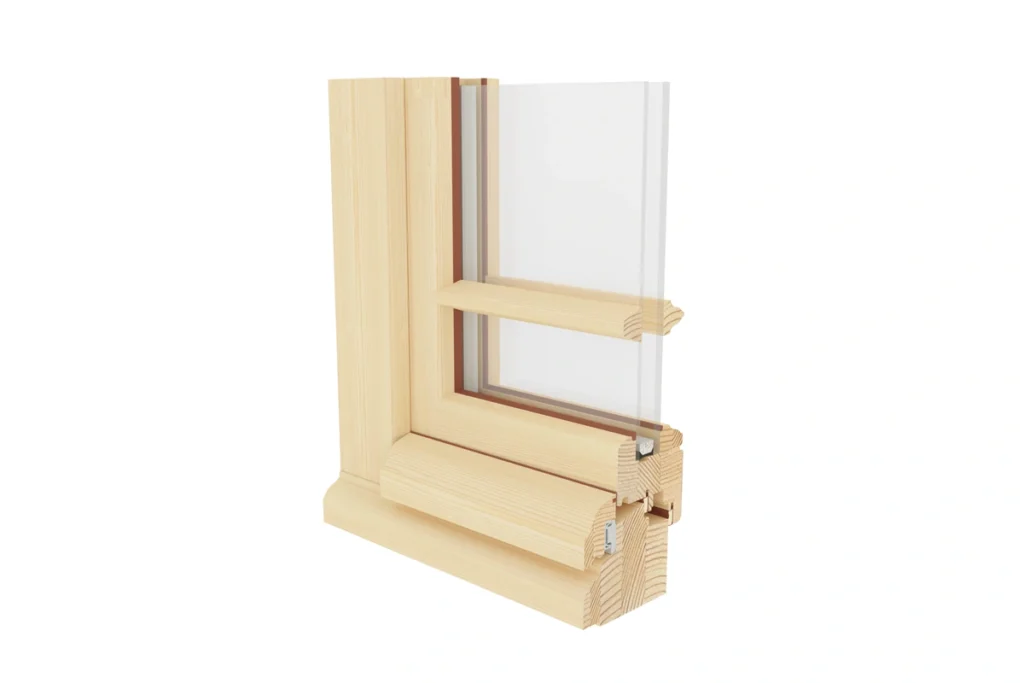
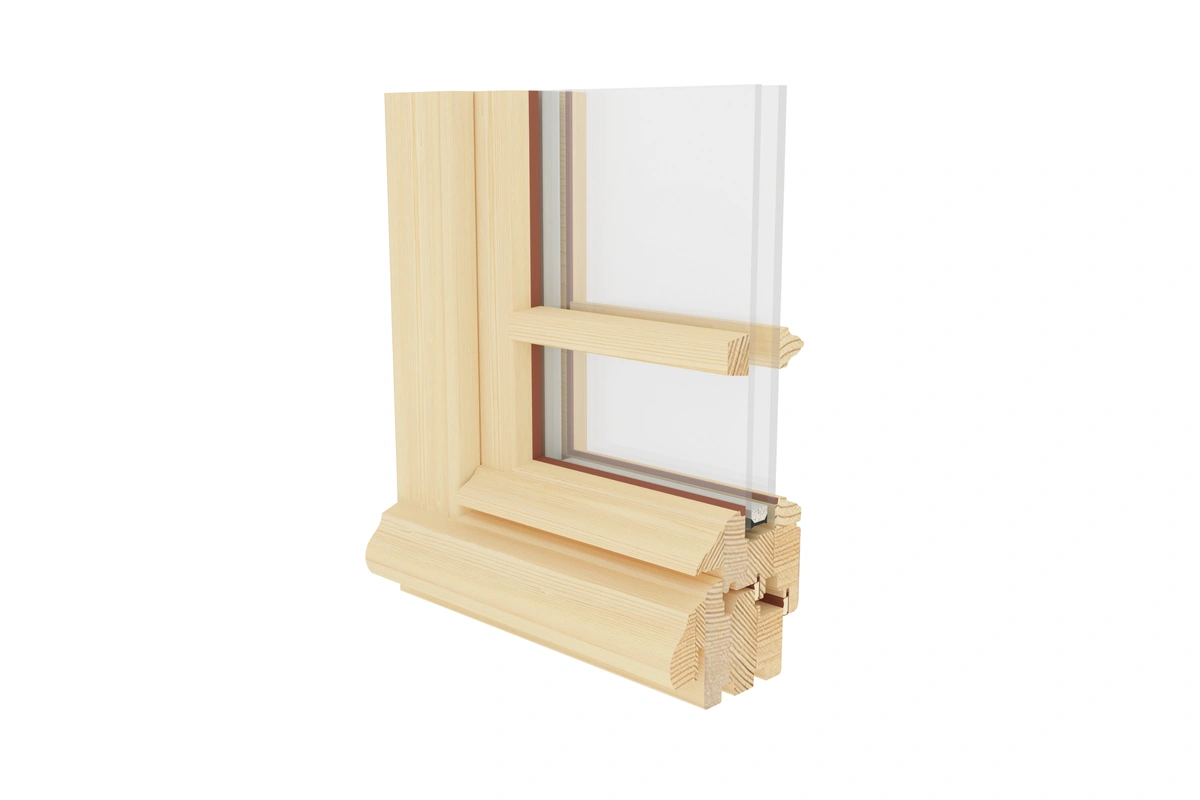
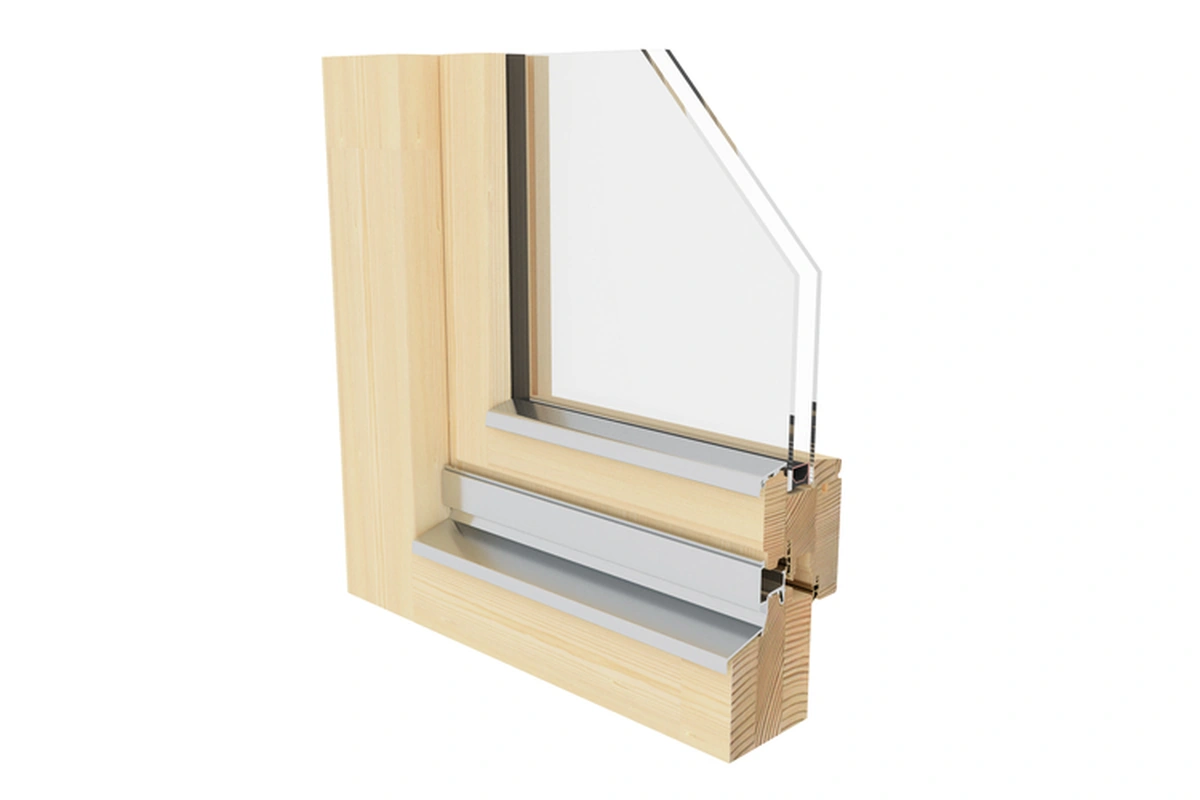
The drip rail - or drainage moulding - is the element installed at the external base of the window. Its role is to direct rainwater away from the frame and the wall. The profile features a special groove on the lower face (called a "drip edge"), which breaks the surface tension of the water and forces it to fall vertically, rather than flowing back towards the timber.
Without a correctly sized and installed drip rail, water reaches the base of the frame and stagnates; the timber absorbs the moisture, and degradation sets in. The process is slow and almost invisible at first - which is why it is so often ignored. Therefore, the best time to address this is before a problem occurs.
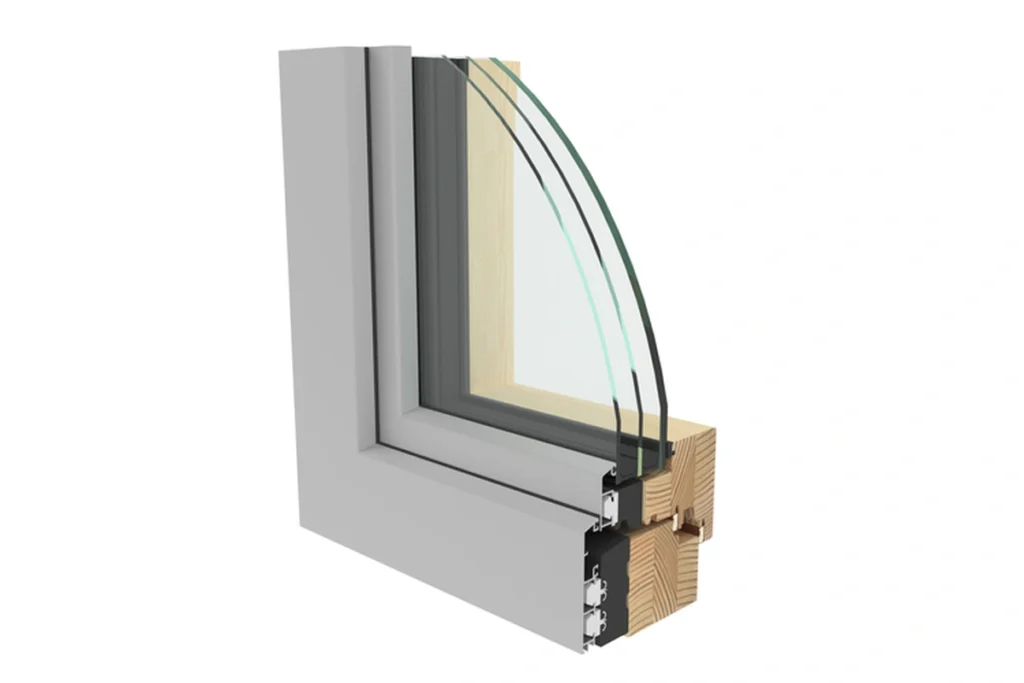
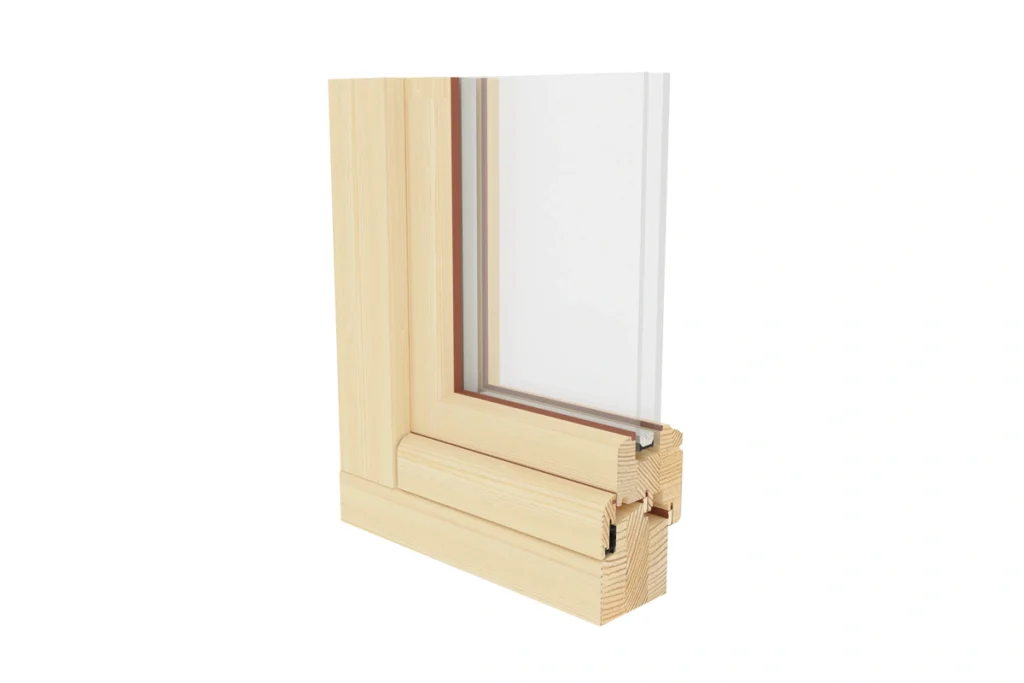
Types of drip rails and sills available at SM Wood Prodcom |
|
|
Solid oak interior window sill |
Warm, natural finish, made from the same wood species as the window — also available in meranti or spruce upon request |
|
Lacquered MDF interior sill |
Affordable, any RAL color — for interior windows not exposed to moisture |
|
Aluminum exterior sill |
Maximum weather protection, corrosion-resistant, no additional painting required |
The complete protection system - what every SM Wood Prodcom window includes
A good drip cap solves the problem of water runoff. But complete protection involves more. In addition to the drip cap, every window we manufacture includes:
SM Wood Prodcom Tip:
If you notice the paint starting to crack or peel in small areas, do not let a whole season pass. Act immediately: clean the area,
Types of drip rails and sills available at SM Wood Prodcom
SM Wood Prodcom Tip: If you notice the paint has started to crack or peel in small areas, do not let an entire season pass. Intervene immediately: clean the area, apply primer, and repaint. A small timely preventive intervention costs a fraction of a later complete restoration.
Factory finishing - Air-mix technology
Painting is carried out entirely in our factory in Floresti, Cluj, using professional spray application equipment (Kremlin/Airmix), which ensures uniform coverage without drips or stains on all timber profiles - including corners, millings, and ornaments. Application in controlled factory conditions guarantees much better adhesion of the lacquer compared to on-site painting.
How long protection lasts and when to refresh it
Timber is a living material. It expands in summer and contracts in winter. Any coat of lacquer or paint, no matter how good, will show signs of wear after a number of years - this is not a defect, but the nature of the material.
Our recommendation: a visual inspection every 3-4 years and a refresh of the external coat every 8-10 years under normal conditions. If the window is oriented towards the south or south-west with intense solar exposure, the interval decreases to 6-8 years. This simple intervention extends the life of the joinery by decades.
Frequently asked questions about wooden window protection
Is the base primer necessary if I am painting the window anyway?
Yes, the primer is essential even if you apply opaque paint on top. The paint protects the surface of the timber, but the primer protects the wood deep down - from the inside out. Without it, the timber can absorb moisture even if the paint looks good on the surface.
How long does an aluminium drip rail last compared to a timber one?
A thermally broken aluminium drip rail is practically indestructible under normal conditions - it does not corrode, does not warp, and requires no intervention throughout the life of the window. A timber drip rail, in turn, has a lifespan comparable to the frame - decades - if it is repainted periodically. The choice depends on aesthetic preference and availability for maintenance.
Q3: What happens if water penetrates the lower corners of the window?
The lower corners are the most vulnerable areas because that is where the cross-cut fibers meet (which absorb water like a sponge). If water stagnates, the wood swells, forcing the joints and degrading the finish. A correctly installed drip rail and sealing the fiber ends with special "end-grain sealer" products prevent this phenomenon.
Q4: Can an aluminium drip rail be installed on a window that originally had a timber drip rail?
Yes, this is a common service operation. The worn timber drip rail is removed, the area is cleaned and treated antiseptically, and then the new aluminium profile is installed. This change permanently eliminates the need for maintenance in the most demanding area of the window.
Request a personalized quote from SM Wood Prodcom
Bespoke engineered wooden windows and doors since 1997 · Floresti, Cluj
Phone / WhatsApp | Email | www.smwoodprodcom.ro
Protection Element | Features and Recommendation | Engineered timber drip rail | Most aesthetic - integrates with the joinery; available in any RAL/NCS finish or translucent stain; requires maintenance every 8-10 years | Thermally broken aluminium drip rail | Durable, maintenance-free, does not expand with temperature variations - ideal for south / south-west facades | Solid oak internal sill | Warm, natural finish from the same species as the window - also available in meranti or spruce upon request | Lacquered MDF internal sill | Affordable, any RAL colour - for internal windows without exposure to moisture | Aluminium external sill | Maximum protection against the elements, corrosion-resistant, no subsequent painting required
How long does the protection last and when does it need to be refreshed
Wood is a living material. It expands in the summer and contracts in the winter. Any coat of varnish or paint, no matter how good, will show signs of wear after a number of years—this is not a defect, but the nature of the material.
Our recommendation: a visual inspection every 3–4 years and refreshing the exterior coat every 8–10 years under normal conditions. If the window faces south or southwest with intense sun exposure, the interval decreases to 6–8 years. This simple maintenance extends the life of the woodwork by decades.
Frequently Asked Questions About Wood Window Protection
Factory finishing - Air-mix technology
Request a personalized quote from SM Wood Prodcom
Phone / WhatsApp | Email | www.smwoodprodcom.ro
UV-resistant lacquer or paint - minimum two coats, professionally applied by spray gun in our factory. We use lacquers with high vapour permeability, allowing the timber to "breathe" naturally, preventing peeling and bubbling.
External silicone sealant - at the joints between the frame and the wall and at the glass-to-sash junction, to block water infiltration in the most vulnerable areas.
Perimeter weather gaskets - block air and water upon closing, contributing decisively to preventing internal condensation.